
Growth
Ten placements a month across several pages.
$6,000/month
- Minimum 10 SEO backlinks per month
- Campaigns across multiple priority pages
- Pitching across US and international titles
- Monthly campaign review
PR-led links
PR link building, also called SEO PR or digital PR link building, earns links from news and trade publications by giving journalists stories, data and expert comment worth covering. We find and write the stories, pitch them to journalists who cover your subject, and commit to a minimum of 10 links.
Updated
Client coverage in



Plans and pricing
Two plans, both month to month. Every link comes from a story a journalist chose to run.
Ten placements a month across several pages.
Twenty placements a month for multi-market teams.
Pay by card or crypto at checkout. Not sure which plan fits? Book a call and we'll tell you. Agencies can resell the same work through white-label link building.
How it works
You send the website and the pages that need links. We do the rest.
We agree which pages need links and which readers the stories are for.
New data, an expert view from your team, or a quick take on the news.
We write the story and send it to journalists who cover the subject.
Each live link goes in your report with its DA and traffic.
Proof
Data stories, expert comment and news reactions, from client campaigns and our own studies.
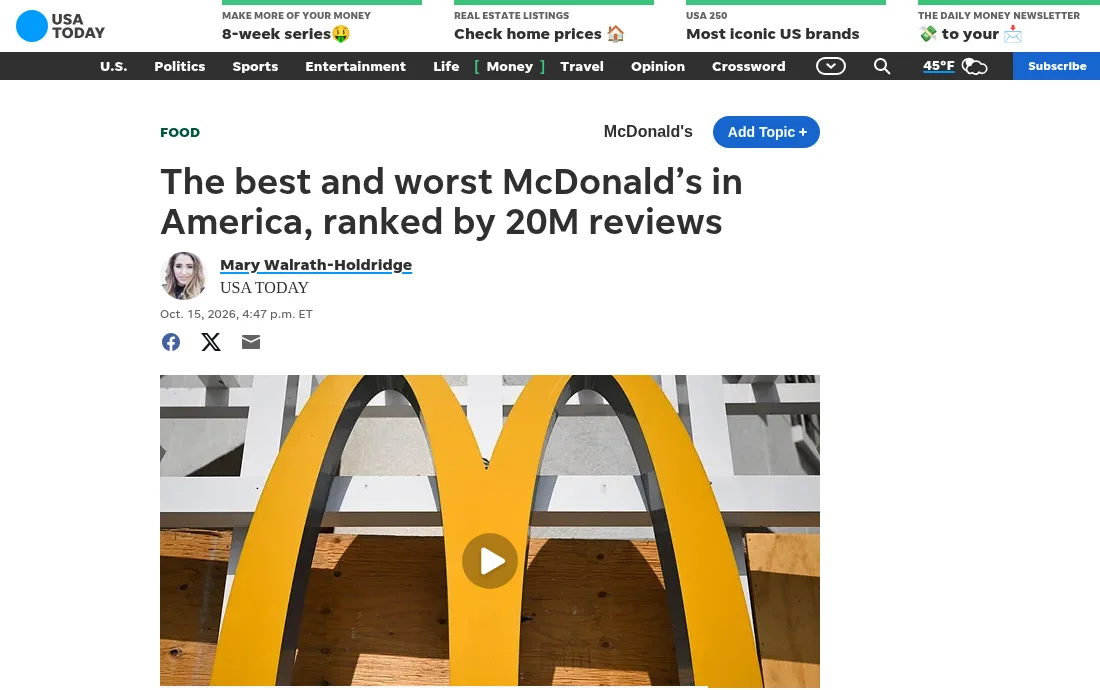
"The best and worst McDonald's in America, ranked by 20M reviews." Our own data study, October 2026.

"The Most Dangerous Golf Courses In The World, Per New Analysis." A ranking we built for a client, April 2026.
The outreach angles were the difference. We were not just asking for a backlink; there was a reason for an editor to care.
A journalist writing a story needs a source. Give them new numbers, an expert who can explain something, or a quick take on today's news, and they have a reason to mention you. Whether they publish it, and whether they link, is their decision. That is why the link is worth having.
PR link building is that work, done every month: we find the stories, write them, pitch them to journalists who cover the subject, and report every link.
Three different things get sold as PR links. Only one of them is a journalist choosing to cover you.
| Service | How it works | Who decides to publish | Does the link help rankings? |
|---|---|---|---|
| PR link building | A journalist covers your story and links to you. | The journalist. | It can, unless the publisher tags the link so it doesn't count. |
| Press release distribution | A wire service posts your announcement on many sites at once. | You do. Anyone who pays gets posted. | Rarely. Google's spam rules name keyword links in press releases sent out to other sites. |
| Sponsored or guest posts | A site is paid to publish an article with your link in it. | The site, once you pay. | It shouldn't. Google expects paid links to be marked as paid, and marked links don't help rankings. |
Paying an agency to research and pitch a story is different from paying a publisher to run it. Google lists buying links to manipulate rankings as link spam. More detail: digital PR vs link building and editorial backlinks.
One more thing that gets mixed up: "high PR" or "PR9" links. That PR meant PageRank, an old Google score from 0 to 10 that Google stopped showing publicly years ago. It has nothing to do with public relations. If you want links from strong sites, see high authority backlinks.
Most PR links come from one of three kinds of story. A good campaign uses all three, because each works at a different speed.
| Kind of story | What it is | Speed | From our work |
|---|---|---|---|
| Data story | A ranking or survey that gives journalists new numbers. | Slower to build, but one study can earn several links. | New York Post: "States where you're most likely to be killed by lightning revealed" (client, April 2026) |
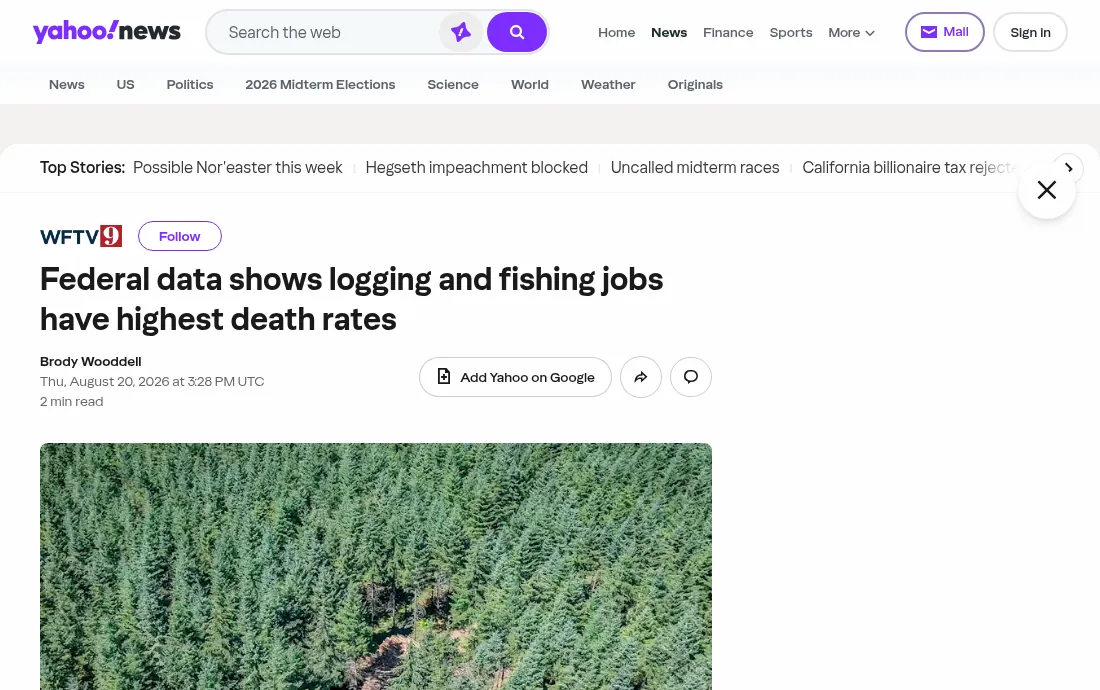
| Expert comment | Someone at your company explains a subject they know well. | Steady, whenever journalists cover your subject. | Yahoo: "These are the 3 most dangerous things travelers post on social media" (client, May 2026) |
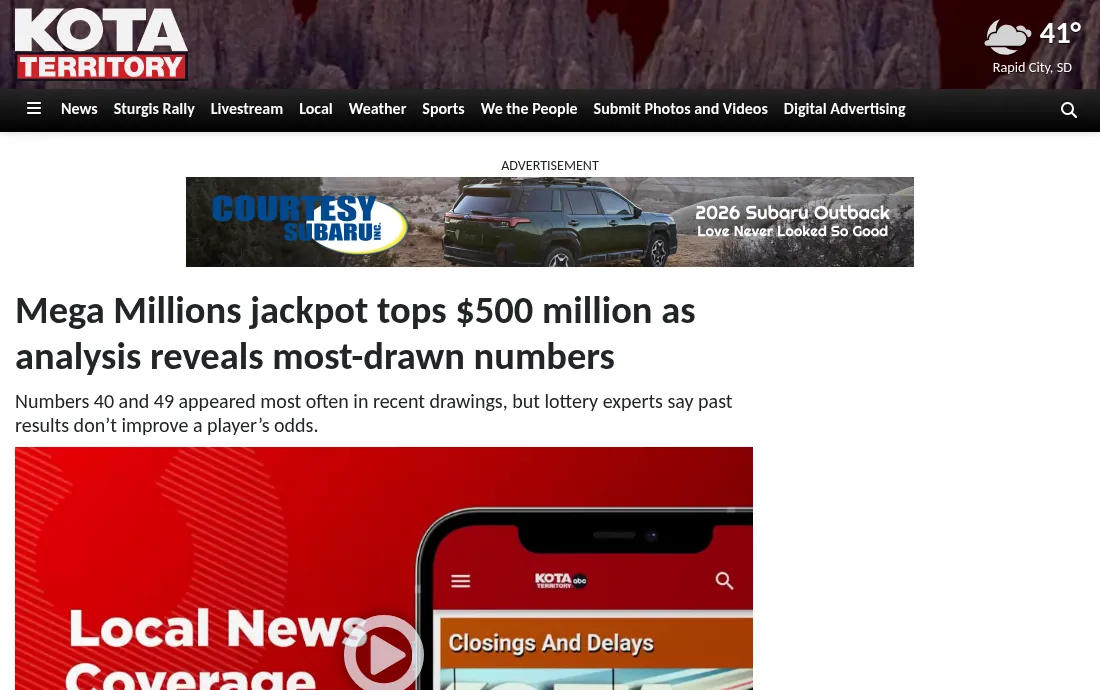
| Reactive PR | A quick comment or data point on a story that is in the news now. | The fastest, while the story is still news. | KOTA TV: "Mega Millions jackpot tops $500 million as analysis reveals most-drawn numbers" (client, November 2026) |
Each has its own guide: data-led digital PR, expert commentary links and reactive PR. Answering journalist requests is part of the reactive work, and HARO link building explains how that works now.
Journalists link when the link helps their readers. A page on your site with the full findings, how the data was gathered and when, gives them a reason. Your homepage tells readers who you are, but it can't answer a question about the study.
The publisher chooses where the link points and what words it uses. Pitch the story, not a keyword. Asking for a particular phrase in the link puts journalists off.
Decide who the story is for before you build a list of publications. A US story can be aimed at national, state, local or trade readers, and each needs a different angle. Findings from one state shouldn't be sold as a picture of the whole country.
A national ranking can give every state its own headline. Our own McDonald's study ran in USA Today as a national story, again as a Texas story ("I'm lovin' it! Texas is home to America's best McDonald's"), and on WTOK, a Mississippi TV station. Outside the US the same rule applies country by country: see US link building and international link building.
Before pitching, read the journalist's recent articles and make the evidence easy to check. Our guide to how digital PR backlinks are earned covers the rest.
PR coverage comes in different forms, and a good report keeps them apart. Here is what to count, and why.
Rankings matter too, but a rise in rankings alone doesn't prove which link caused it. Our backlink reporting guide shows what a good report looks like.
Digital PR links typically cost $400 to $1,500 each at market rates. They cost more than guest posts because a journalist has to choose to run the story, and nobody can buy that choice.
Growth is $6,000 a month for at least 10 links. Scale is $9,900 a month for at least 20 links. Both run month to month, each has a minimum number of links, and bigger custom plans are available.
See backlink packages for the full detail, including how to work out how many links you need.
Commitments
Questions
Something we haven't covered? Book a call, or email info@seobacklinks.com and we usually reply within one business day.
PR link building is earning links by getting your business into the news. You give journalists something worth covering, such as new data, an expert view or a quick take on a news story, and they link to you as the source.
PR backlinks are links in news and trade articles that a journalist chose to write. They differ from paid posts because nobody paid the publication to run them.
No. Link building is any way of getting links, including buying guest posts. Digital PR is one way of doing it: earning links through news coverage. It's the only kind we do.
Digital PR links typically cost $400 to $1,500 each. Our plans are $6,000 a month for at least 10 links or $9,900 a month for at least 20.
No. Distribution posts your announcement on many sites at once, and anyone who pays gets posted. PR link building means building a story and pitching it to journalists, who decide whether to cover it.
No. In "PR9", PR meant PageRank, an old Google score that Google stopped showing publicly years ago. PR link building is about public relations: links from news coverage.
Yes. You don't need your own data or a famous spokesperson: we build story ideas from your website and public data, and use your team's expertise if you want to offer it. The topic and the publications matter more than company size.
No. Some coverage mentions you without a link, and some publishers tag links so search engines don't count them. Your report lists the articles that link to you, and coverage that names you without a link is listed separately as brand mentions.
No. The publisher decides, and may use your company name, the name of the study or another description. Asking for a keyword puts journalists off, so we pitch the story instead.
Ask for recent links in your industry and check them yourself. Each publication should get real traffic, the article should show up in Google, and the site shouldn't be full of links to unrelated businesses. Walk away from anyone who guarantees a named publication or a ranking.
Links start going live in the first month. Quick reactions to the news are the fastest, because the story is already running. Data stories take longer to build, but one study can earn several links.
They can. Links from real publications are the kind search engines count, but rankings also depend on your site and your competitors, so nobody can promise them.
Start here
Send your website and the pages that need links. We'll suggest story ideas and tell you which plan fits.